
What is a Motor Pool?
A motor pool is a centrally managed group of vehicles that employees reserve and use for short term, work-related travel. Instead of assigning vehicles to individuals or departments for long periods of time, a motor pool treats each vehicle as a shared resource that is scheduled only when there is a real transportation need.
When designed with self-service reservations, clear policies, and reliable utilization data, a motor pool improves availability, reduces waste, and lowers total fleet costs. When managed manually, it often creates delays, confusion, and inefficiencies that slow down daily operations.
This guide explains how motor pools work, why organizations adopt them, and how modern technology supports more efficient workflows. You will also find best practices, and the key metrics used for rightsizing and ongoing improvement. If you are evaluating the use of a motor pool, or simply looking for key insights, this guide provides tips to make shared vehicle access simple, measurable, and cost effective.
Definition: How a Motor Pool Works
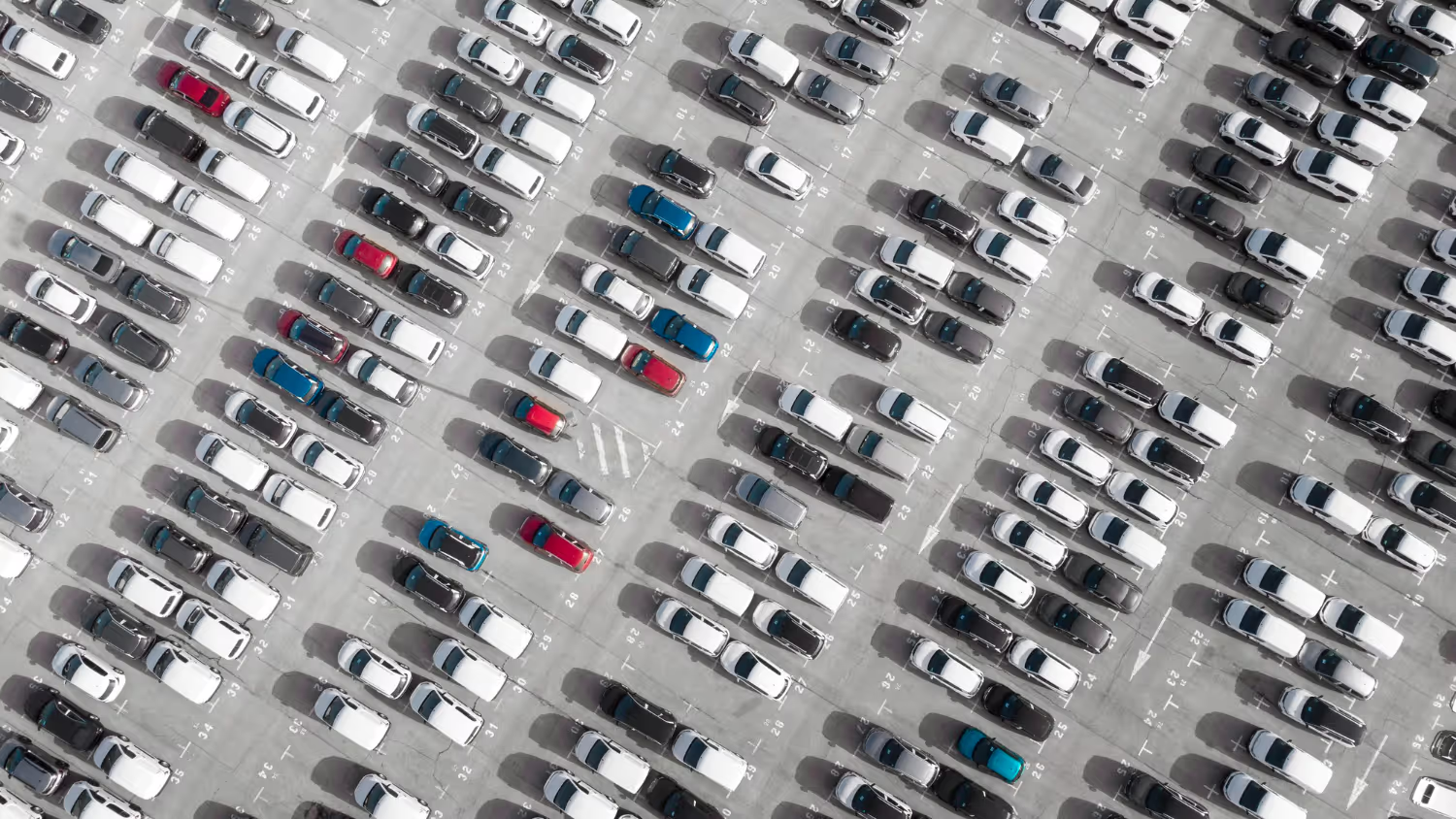
A motor pool is a managed collection of vehicles available for short to medium term use by authorized employees or contractors. Vehicles are reserved, checked out, and returned through a centralized process using software, kiosks, key lockers, or mobile apps rather than being permanently assigned to one person or team.
In a fleet motor pool, vehicles are assigned based on demand, policy, and availability rather than personal ownership. This shared model increases utilization across the fleet and reduces the number of vehicles required to meet operational needs.
In traditional fleet models, many drivers have dedicated vehicles that sit idle for long periods. This leads to low utilization and higher ownership costs. A motor pool shifts the model to shared access, allowing more trips to be completed with fewer vehicles. The result is a leaner and more responsive fleet.
Motor pools are commonly used by government agencies, utilities, universities, construction firms, healthcare organizations, and corporate campuses. You may hear terms such as pool vehicles, shared fleet, or centralized fleet. These all refer to the same idea: making the right vehicle available to authorized users when they need it, supported by clear rules and accountability.
Real World Example
A utility company reviewed daily vehicle usage across light duty trucks supporting district operations. The analysis showed that many assigned vehicles were used for less than three hours per day. After consolidating those trucks into a shared motor pool and introducing automated booking with key lockers, the organization reduced its light duty fleet by 18 percent. It also reduced overtime caused by vehicle shortages while maintaining service levels. Utilization data revealed underuse, while demand trends ensured the right number and type of vehicles remained available.
Why Organizations Use a Motor Pool
Motor pools provide reliable access to vehicles for work needs such as:
- Job site visits
- Meetings and events
- Field operations
- Emergency or after-hours response
- Travel between offices
The value of a motor pool is not simply having vehicles available. It is how those vehicles are managed. A centralized approach allows fleet teams to coordinate reservations, availability, maintenance readiness, fuel use, utilization tracking, and reporting.
In practice, a fleet motor pool acts as a central system that connects drivers, available vehicles, and readiness status. Understanding what a motor pool is matters, but applying it effectively is what delivers measurable results.
The Problem With Manual Motor Pool Management
Many organizations still manage shared vehicles using spreadsheets, email threads, shared calendars, and physical key handoffs. This approach leads to predictable problems, including:
- Slow booking and approval processes
- Scheduling conflicts and double bookings
- Heavy administrative workload
- Unclear vehicle availability
- Limited insight into true demand
- Extra vehicles kept as backups, increasing ownership costs
The biggest issue is the lack of reliable data. Without accurate utilization information, it is difficult to determine how many vehicles are actually needed or which ones are underused. Modern motor pool programs focus on automation, visibility, and analytics so fleets can scale without adding administrative burden.
How Motor Pool Technology Has Evolved
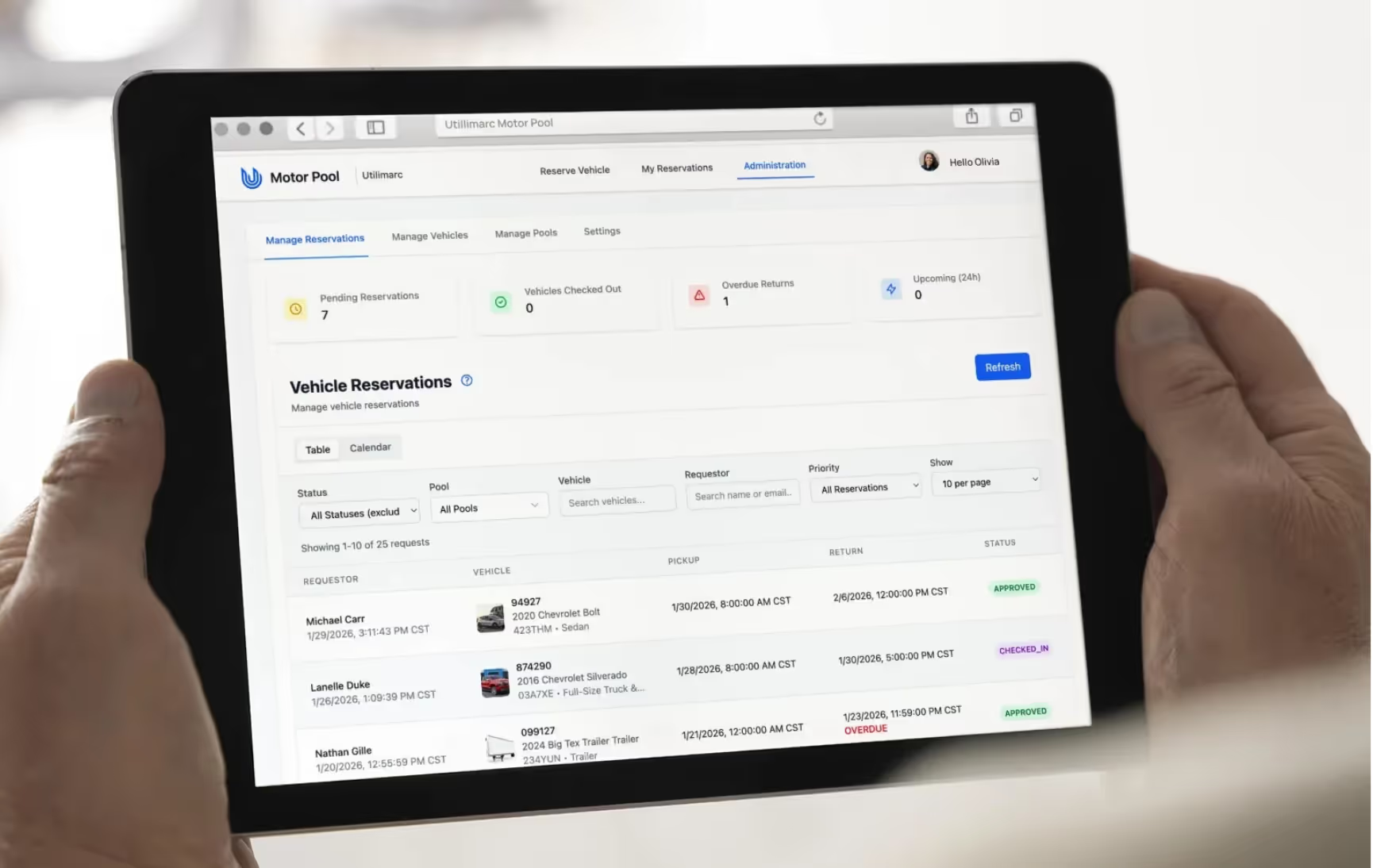
Modern motor pools rely on two key capabilities that work best when connected.
Telematics for Visibility and Rightsizing
Telematics data provides visibility into vehicle usage, mileage, location, idle time, and downtime. This information helps fleet teams identify vehicles that are rarely used, vehicles that are always booked, and demand patterns by time, day, or location.
By combining booking data with odometer readings and engine hours, fleets can measure time based and mileage based utilization. Vehicles consistently below 30 to 40 percent time utilization may be candidates for removal or reassignment. Vehicles with constant waitlists may require additional capacity or different vehicle types.
This level of insight turns each motor pool vehicle into a data source that supports better planning across the fleet.
Reservation Software for Automated Workflows
Reservation systems replace manual scheduling with streamlined processes such as:
- Online booking from desktop or mobile devices
- Automated confirmations and reminders
- Approval workflows when required
- Check-in and check-out tracking
- Utilization and demand reporting
When reservation systems and telematics are integrated, fleet teams gain better control and better data without increasing staff workload. Vehicles can be blocked automatically for maintenance, mileage updates remain accurate, and chargebacks can be applied correctly.
Benefits of a Motor Pool
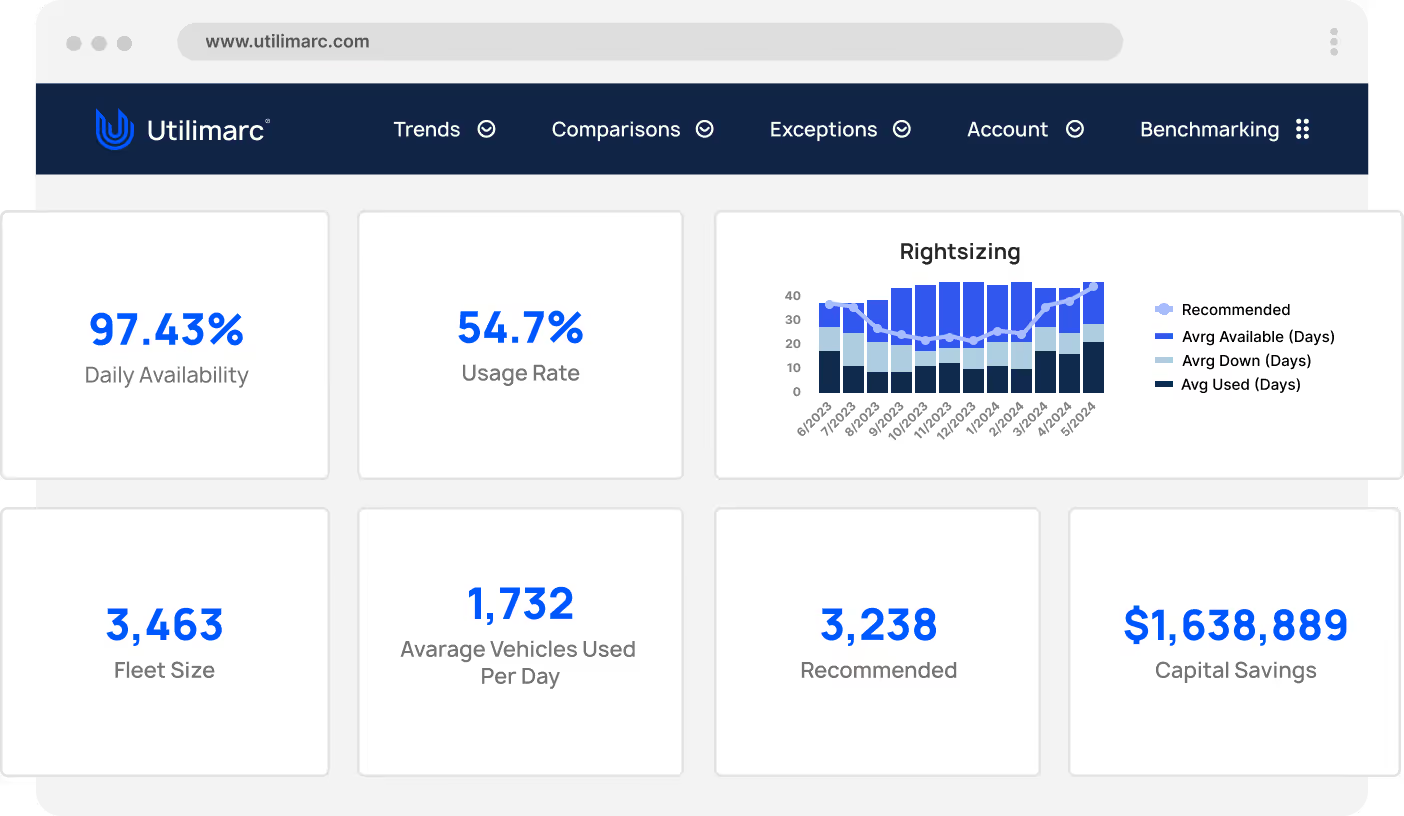
Motor pools improve cost control, efficiency, service reliability, and sustainability by allowing organizations to do more with fewer vehicles.
Cost Savings Through Shared Use:
- Lower capital spending by consolidating assigned vehicles
- Reduced total ownership costs through higher utilization
- Standardized vehicle types that simplify maintenance and training
- Fewer underused vehicles, reducing insurance and registration costs
- Fair chargebacks based on actual use
Improved Efficiency and Resource Allocation:
- Central booking removes scheduling conflicts
- Automated pickup and return processes reduce delays
- Vehicles are positioned where demand is highest
- Maintenance aligns with actual usage
Environmental Impact:
- Fewer vehicles produce the same output
- Reduced idle time and unnecessary trips
- Better vehicle matching prevents overuse of large or specialized units
- Shared electric vehicles support sustainability goals without limiting access
Drivers also benefit. Booking is simple, availability is clear, and policies are consistent. The process becomes predictable and easy to follow.
Common Vehicles in a Motor Pool
A practical motor pool includes vehicles matched to job requirements, such as:
- Compact or mid size cars
- SUVs for mixed conditions
- Vans for tools or team transport
- Light duty trucks for field work
- Specialized vehicles for specific tasks
Matching vehicle capability to trip needs prevents high cost assets from being used unnecessarily and keeps specialized vehicles available when needed.
How Motor Pool Operations Work

Motor pool operations combine clear policies, simple workflows, and connected technology to ensure vehicles are available, safe, and well maintained.
Typical Workflow:
- Drivers reserve a vehicle through a web portal or mobile app.
- At pickup, drivers authenticate and access keys or digital entry.
- After the trip, drivers return the vehicle and record mileage and condition.
- Issues are flagged automatically for maintenance follow-up.
Why Motor Pool Management Matters
Without structure, shared fleets experience missing keys, unavailable vehicles, and inconsistent maintenance. A well managed motor pool improves accountability, supports compliance, and turns usage data into decisions about fleet size and vehicle mix.
What Motor Pool Software Should Support
Effective systems reduce manual work while improving control and visibility.
1. Core Capabilities
- Vehicle reservations and cancellations
- Approval workflows
- Check-in and check-out tracking
- Role-based permissions
2. Driver Friendly Access
- Real-time availability views
- Mobile access for bookings and returns
- Clear pickup and return instructions
3. Automated Communication
- Booking confirmations
- Pickup and return reminders
- Overdue alerts
4. Analytics and Reporting
- Utilization trends over time
- Demand by location and time
- Identification of underused vehicles
5. Integrations
- Telematics
- Fleet Management Software
- Maintenance systems
- Finance and chargeback tools
Best Practices for Scheduling and Allocation
- Use demand data to place vehicles where needed
- Offer vehicle categories so drivers select appropriate units
- Include buffer time between reservations
- Enforce cancellation policies
- Prioritize critical requests
- Support multi location bookings when needed
Fleet leaders often find that spreadsheets are too limited, while some enterprise platforms are too complex and expensive. Many organizations benefit from solutions that combine simplicity with meaningful reporting, especially when telematics are already in place.
Implementing and Managing a Motor Pool
Successful programs start with clear goals, stakeholder alignment, and the right technology.
Gaining Buy In
- Involve operations, finance, safety, and IT early
- Use data to show current inefficiencies
- Start with departments that have underused vehicles
- Communicate the benefits to drivers clearly
Pilot and Scale
- Begin with one or two locations
- Track utilization and availability
- Document lessons learned
- Expand gradually with consistent training
Does Motor Pool Software Reduce Costs?
Yes. Organizations often reduce costs by consolidating low use vehicles, avoiding new purchases, lowering administrative effort, reducing downtime, and improving chargeback accuracy. Transparency also leads to better long term decisions about purchasing and replacement.
Real-World Insight: Motor Pool Integration:
A strong example of FMIS integration in action is Utilimarc’s Motor Pool App, introduced in 2025. The solution helps fleets manage shared vehicles and is fully integrated with both FMIS and telematics.
As a vehicle is reserved and used, the app pulls telematics usage data and links it to the FMIS record for that unit, automatically updating utilization statistics. This makes the reservation process seamless for drivers while feeding accurate usage data back into maintenance and planning systems.
In practice, it turns a motor pool into an intelligent system that can:
- Flag underutilized vehicles
- Support data-driven fleet rightsizing decisions
- Improve both asset availability and cost control
Frequently Asked Questions
1. How is a motor pool different from car sharing?
Motor pools are internal programs for employees. Car sharing is typically public and consumer focused.
2. How many vehicles should be in a motor pool?
Use utilization and demand data. Aim for 60 to 80 percent time utilization during peak periods.
3. Can motor pools support specialized vehicles?
Yes, with booking rules and qualification checks.
4. How is maintenance handled?
Vehicles due for service are automatically blocked, and inspections trigger work orders.
5. What metrics matter most?
Utilization, waitlists, turnaround time, no shows, and cost per trip.
Key Takeaways
If you are asking what a motor pool is, this guide provides a clear and practical path forward. With the right policies, systems, and data, a motor pool delivers reliable access, lower costs, and better outcomes across your fleet.
Ready to Put Motor Pool Best Practices Into Action?
This guide explains what a modern motor pool should look like. The Utilimarc Motor Pool App helps you actually run one.
Move beyond spreadsheets and manual processes with a purpose-built solution that streamlines reservations, improves utilization, and gives you the data you need to rightsize your fleet with confidence.